
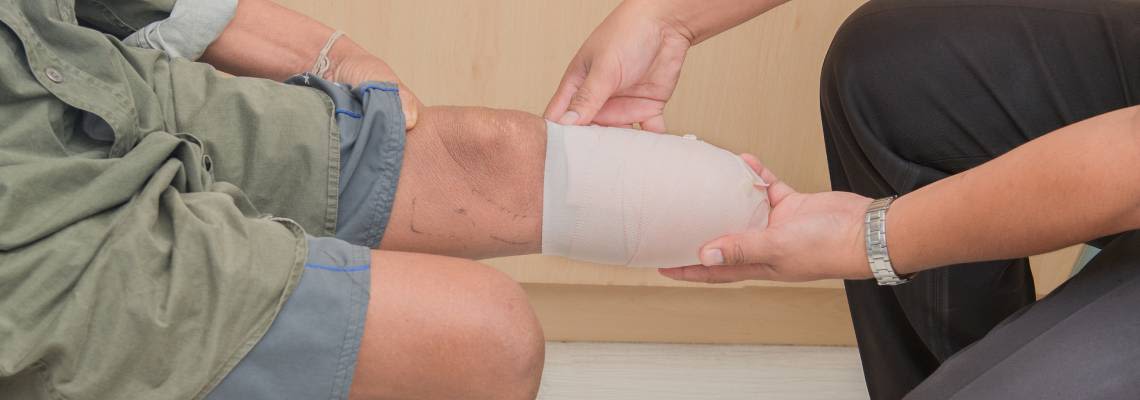
The Long Road Back: Navigating Life After an Amputation Accident
An amputation accident changes far more than a person's physical abilities. The injured person often faces surgery, pain management, rehabilitation, interrupted employment, and major adjustments at home. Family members also take on new responsibilities while everyone adapts to an unfamiliar routine.
Recovery rarely follows a straight line, so legal planning must account for immediate losses as well as needs likely to continue for years. A personal injury claim becomes part of that recovery when another party's careless conduct contributed to the accident. A Houston, TX amputation accident lawyer can examine how medical treatment, reduced income, physical limitations, and future care relate to the harm caused.
Recovery Extends Beyond the Hospital
The first stage of recovery usually centers on stabilizing the injury, completing necessary procedures, and protecting the remaining limb. Follow-up appointments often address wound care, infection risks, swelling, pain, and preparation for rehabilitation. Some people also experience phantom sensations or phantom limb pain.
Careful documentation of each medical concern helps connect the initial trauma with the treatment that follows. Rehabilitation focuses on restoring function and building new ways to complete everyday activities. Physical therapy, occupational therapy, mobility training, and prosthetic evaluation often form part of the care plan.
The appropriate course depends on the level of amputation, the person's overall health, and individual goals. Progress sometimes requires adjustments when pain, skin irritation, balance problems, or changes in the remaining limb affect treatment.
Emotional recovery should get the same attention as physical progress. Grief, anger, anxiety, changes in self-image, and uncertainty about independence are understandable responses to limb loss. A personal injury lawyer can also account for documented emotional harm when evaluating the full impact of the accident.
Building a Sustainable Daily Routine
Returning home often reveals practical demands that weren't obvious in a medical setting. The injured person and family members often need time to determine which changes support greater independence. A practical recovery plan often addresses the following areas:
Mobility and accessibility: Ramps, handrails, bathroom changes, wider pathways, mobility devices, or vehicle modifications offer ways to make movement safer and more manageable.
Prosthetic care: Fittings, adjustments, training, repairs, replacements, and supplies often remain ongoing considerations rather than a one-time expense.
Personal support: Assistance with dressing, bathing, meal preparation, transportation, childcare, or household work sometimes becomes necessary during different stages of recovery.
Work and education: Modified duties, accessibility changes, retraining, or a different schedule provide possible routes back to professional or educational goals.
Each adjustment also carries information relevant to a legal claim. Receipts, provider recommendations, photographs of home changes, and notes about outside assistance show how the injury affects ordinary life. As your attorney, I can assist with organizing those records and distinguish present expenses from future needs.
Measuring the Accident's Long-Term Effects
An amputation claim isn't limited to losses arising immediately after the accident. Its value depends on evidence showing how the injury affected the person and which consequences are reasonably anticipated. A complete review considers the available records and testimony rather than focusing on a single bill or point in recovery. Relevant categories of loss often include:
Medical and rehabilitation expenses: Relevant records cover emergency care, surgery, follow-up treatment, therapy, medication, pain care, prosthetic services, and assistive equipment.
Lost income and earning capacity: Employment evidence ties time away from work and lasting restrictions to current wages and future earning ability.
Physical pain and impairment: Medical records and personal testimony document pain, reduced mobility, loss of function, and limitations affecting personal or household activities.
Disfigurement and emotional harm: Visible physical changes, grief, anxiety, and changes in self-confidence form part of the accident's documented impact when supported by the evidence.
Future support needs: Medical opinions and rehabilitation plans identify later procedures, replacement devices, home assistance, transportation changes, or continued therapy.
No single document captures all those losses. Medical providers explain treatment and prognosis, while employment records address income and work restrictions. Once those effects have been identified, preserving evidence and handling insurance communications carefully become the next priorities.
Protecting the Claim During Recovery
Legal work often begins while medical treatment is still underway. Photographs, incident reports, witness information, damaged equipment, and communications about the accident often become harder to obtain as time passes. Preserving available evidence helps establish what happened and which parties bear responsibility.
Insurance communications require equal care. The effect of a recorded statement, broad medical authorization, or release depends on its wording and the facts of the claim. Reviewing documents before signing them helps prevent unnecessary access to unrelated information. Consulting a personal injury lawyer can support you with handling those communications while the injured person concentrates on treatment and daily adjustment.
Patience remains important because the future impact of limb loss isn't always clear at the beginning. Prosthetic needs, work restrictions, recurring treatment, and home support often develop as rehabilitation continues. Resolving a claim before those needs are reasonably evaluated risks leaving significant losses unaddressed.
Consult a Personal Injury Lawyer
Life after an amputation calls for sustained medical care, personal adjustment, and clear legal planning. At Jose Orihuela, Attorney at Law, I assist clients from my Webster, Texas, office and serve South Houston, Clear Lake, Friendswood, League City, Alvin, Houston, Dickinson, Bacliff, Kemah, Seabrook, and Santa Fe by examining how an injury affects daily life and a personal injury claim. Contact my firm to speak with an experienced personal injury lawyer.