
Night-Time or Low-Visibility Road Conditions: How to Build a Strong Claim When Visibility Was Poor
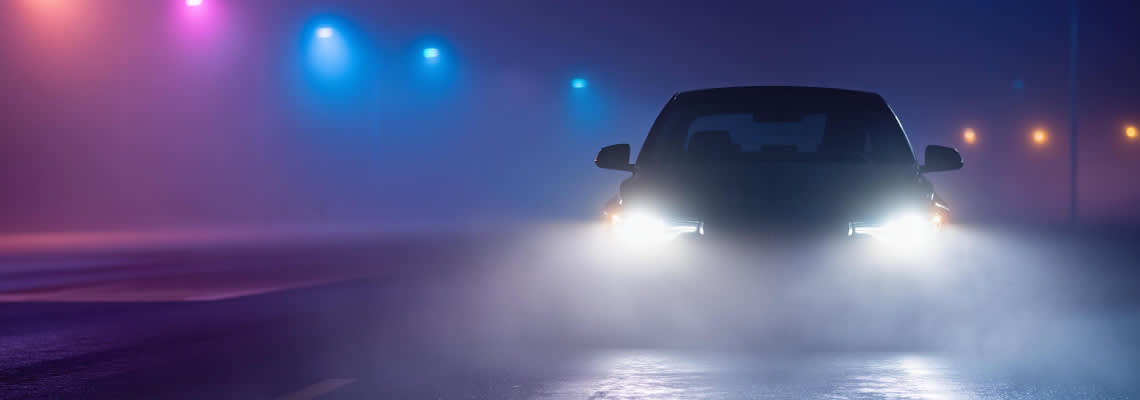
Driving at night or in low-visibility conditions can quickly turn an otherwise routine trip into a dangerous one. Rain, fog, darkness, and headlight glare can all reduce visibility and affect how quickly drivers react to hazards on the road. In Houston, Texas, these conditions are often factors in serious car accidents where even a momentary delay in response can lead to significant injuries.
At Jose Orihuela, Attorney at Law, I handle personal injury cases involving collisions where poor visibility may have contributed to the crash. I carefully evaluate driver behavior, road and weather conditions, and available evidence to develop a clear understanding of how the accident occurred. I also consider local driving conditions and the crash location.
With offices in Webster and Houston, I serve clients in South Houston, Clear Lake, Friendswood, League City, Alvin, Dickinson, Bacliff, Kemah, Seabrook, and Santa Fe, Texas. If you were injured in a low-visibility crash, contact my office to discuss your claim and next steps.
Nighttime Visibility and Crash Risk in Houston
Night driving changes how people judge distance, speed, and hazards. In many cases, drivers underestimate how quickly something can appear in low light. Houston adds extra challenges with inconsistent lighting, construction zones, and heavy traffic. When I review a case involving these conditions, I examine how the environment and driver behavior interact.
Common contributing factors include:
Reduced reaction time in low light
Headlight glare from other vehicles
Wet roads reflecting light
Fatigue during late-night driving
Distracted driving in reduced visibility
Each factor matters in a claim, especially when paired with unsafe driving choices.
Evidence I Focus on After a Low-Visibility Crash
When building a personal injury claim involving a low-visibility crash, I focus on evidence showing what drivers could reasonably see and react to under the conditions at the time of the accident. I approach these cases with careful attention to details that can quickly disappear or become more difficult to document if they are not preserved early.
I prioritize materials such as:
Dash cam or surveillance footage
Vehicle damage patterns and impact points
Weather and lighting conditions at the time
Nearby traffic or business cameras
Phone records when distraction may be involved
Witness accounts also help, especially when they describe what was visible right before impact. That context often strengthens a personal injury claim by clarifying real-life conditions. Once collected, I organize this evidence to separate environmental limits from driver decisions.
Fault in Low-Visibility Conditions
Fault in a low-visibility crash depends on whether a driver acted reasonably under the circumstances. Reduced visibility doesn’t excuse unsafe behavior. I look closely at speed, following distance, and awareness. I also consider whether the driver responded appropriately to conditions they should have anticipated.
Common issues include:
Driving too fast for conditions
Following too closely in poor visibility
Ignoring construction or reduced-speed zones
Distracted driving at night
Improper use of headlights
Texas allows comparative responsibility, so I often evaluate how multiple actions contributed to a claim.
Medical Documentation and Its Impact On Your Claim
Once liability is supported, I turn to medical documentation. In any personal injury case, this is where the impact becomes clear. As an experienced personal injury attorney, I review emergency records, imaging results, treatment plans, and follow-up care to connect injuries directly to the crash. Consistency across records helps support the claim. I also assess how injuries affect daily life and work ability. That includes both short-term treatment and longer-term limitations tied to the personal injury.
Strengthening a Personal Injury Claim Over Time
A personal injury claim involving low visibility often develops as more information becomes available. I revisit evidence as new details emerge, including medical updates or additional footage. Insurance carriers often focus heavily on visibility to limit liability. I counter that by focusing on behavior and documented facts within the personal injury claim.
To strengthen the case, I focus on:
Keeping a clear timeline of events and treatment
Preserving all evidence early
Tracking medical progress
Documenting financial losses
Updating liability analysis as facts develop
Over time, these steps create a clearer picture of how the personal injury occurred and its full impact.
Guidance for Nighttime and Low-Visibility Personal Injury Claims
A car accident that happens at night or in low-visibility conditions can leave you with more questions than answers. You may be dealing with injuries, uncertainty about fault, and pressure from insurance companies while still trying to recover. It’s normal for these situations to feel overwhelming, especially when you can’t clearly see how the crash unfolded in the moment.
At Jose Orihuela, Attorney at Law, I help clients pursue personal injury claims involving crashes where visibility conditions played a major part in the collision. I focus on reviewing the facts, gathering available evidence, and connecting those details to the injuries and losses that followed.
With offices in Webster and Houston, Texas, I serve South Houston, Clear Lake, Friendswood, League City, Alvin, Dickinson, Bacliff, Kemah, Seabrook, and Santa Fe, Texas, as well as Harris County, Galveston County, Brazoria County, Fort Bend County, and Montgomery County. Reach out today to discuss your personal injury claim and the next steps available to you.