
How Dashcam, Smartphone & Smart-Home Footage Can Make or Break a PI Case
Technology has changed the way personal injury claims are documented and resolved. Over the years, I’ve seen firsthand how dashcams, smartphones, and smart-home devices can drastically affect the outcome of a PI case.
When used effectively, these tools provide strong evidence that supports a claim. On the other hand, poor handling of digital footage can create problems that weaken your position.
Whether you’ve been involved in a collision captured on a dashcam, smartphone, or smart-home footage, understanding how to use that evidence can make all the difference in a PI case. At Jose Orihuela, Attorney at Law, with offices in Houston and Webster, Texas, I help individuals handle the impact of accidents with clear guidance and strong advocacy.
If you or a loved one has been involved in an accident where digital footage could affect your claim, reaching out to an attorney like me can help you evaluate your options and take the next steps toward a fair outcome. I encourage you to contact me, Jose Orihuela, Attorney at Law, to discuss your situation and protect your interests in your PI case.
Identifying Valuable Digital Evidence
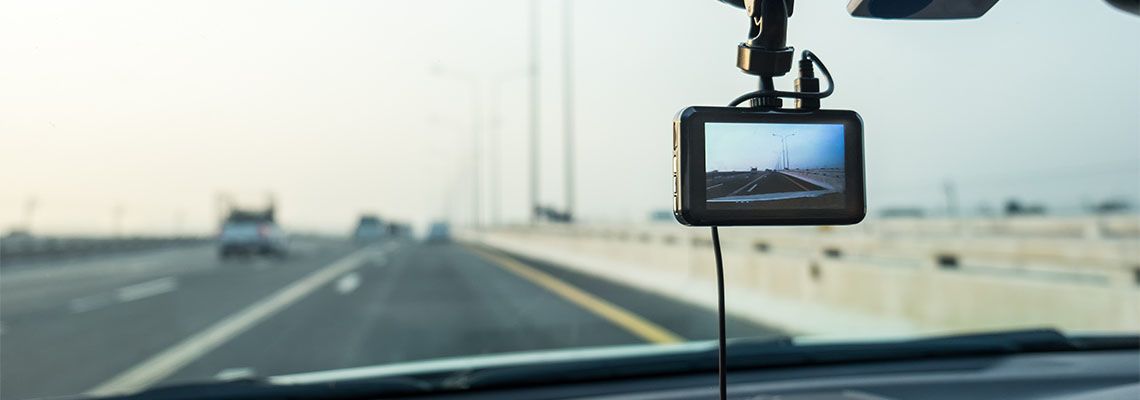
When I start evaluating a PI case, the first step I take is identify which recordings might be useful. Dashcams installed in vehicles can provide a continuous record of driving behavior leading up to an accident.
Smartphones often capture photos and videos immediately after a collision. Smart-home cameras, including doorbell and security cameras, can sometimes capture the aftermath of incidents on private property.
Not every recording is automatically valuable. I look for evidence that:
Shows the actions of parties involved before, during, or after an incident
Establishes the environment, such as road conditions or lighting
Corroborates witness statements or client accounts
I also advise clients to keep multiple copies of digital evidence. Transferring footage to a secure device helps prevent accidental deletion or corruption. Maintaining clear file organization makes it easier to access recordings during a PI case and demonstrates diligence when presenting evidence to an insurance adjuster or the court.
Preserving Footage Properly
Collecting footage is one thing; preserving it correctly is another. I often encounter clients who inadvertently compromise their PI case by mishandling digital recordings. Deleting files, editing videos, or using poor-quality copies can create doubts about authenticity.
These issues can provide grounds for opposing parties to challenge the credibility of a claim. At my practice, Jose Orihuela, Attorney at Law, I guide clients on how to handle recordings to maintain their reliability and value in a PI case.
To reduce these risks, I encourage clients to follow basic steps:
Store original files in multiple locations, such as an external hard drive or cloud storage
Avoid altering or compressing videos before review
Keep detailed records of when and where each recording was captured
Label files clearly with dates and relevant details
These steps may seem simple, but they can significantly affect how a PI case unfolds. Proper handling of footage demonstrates seriousness and attention to detail, both of which can influence settlement negotiations or court proceedings.
Using Footage Effectively in a PI Case
Once the footage is preserved, the next step is to analyze how it supports your claim. I always prioritize reviewing digital recordings in context with other evidence. For example, dashcam video can confirm whether a driver ran a red light, while smartphone photos may show the extent of property damage or personal injuries.
Smart-home cameras can establish timing or actions on private property that corroborate other statements. I recommend clients approach evidence strategically:
Highlight sections of the video that clearly support your version of events
Maintain chronological organization to show sequence and timing
Combine footage with written accounts and witness statements for consistency
Be prepared to explain any gaps or limitations in recordings
When handled this way, digital evidence can strengthen a PI case by providing objective documentation that’s difficult to dispute. Conversely, failing to present footage clearly or coherently can allow opposing parties to question your claims, even if the recordings themselves are accurate.
Anticipating Challenges With Digital Evidence
I’ve seen several cases where the opposing side challenges the validity of dashcam or smart-home footage. Questions often arise about whether videos were altered, whether cameras were positioned to avoid certain views, or whether recordings accurately reflect the incident. Anticipating these challenges is an important part of protecting a PI case.
Some strategies I use include:
Maintaining chain-of-custody records for all digital evidence
Using original file formats rather than converted or compressed versions
Documenting the type of device, settings, and storage method
Consulting with technical analysts to verify timestamps and metadata
Even with thorough documentation, digital evidence isn’t foolproof. That’s why I integrate footage with other forms of proof, such as police reports, medical records, and witness testimony. Together, these elements create a more complete picture, making it harder for the opposing party to undermine your PI case.
Learning From Each Case
Every PI case involving digital footage offers lessons for future incidents. I encourage clients to reflect on how evidence was collected, stored, and presented. Implementing better habits can protect your business or personal interests if another incident occurs.
For example, after resolving a case, I often advise clients to:
Regularly back up dashcam and smart-home recordings
Review device settings to maximize clarity and coverage
Train employees or household members on preserving recordings immediately after an event
Keep a simple log noting times, locations, and individuals involved
These practices don’t eliminate the possibility of disputes, but they make it much easier to support a claim when a PI case arises. By approaching digital evidence thoughtfully, you can reduce the risk of delays or challenges that weaken your position.
Digital evidence can make or break a PI case. Dashcams, smartphones, and smart-home devices provide objective records that often speak louder than personal recollections.
Knowledgeable Legal Counsel
If you’ve been involved in an accident where dashcam, smartphone, or smart-home footage plays a role in your claim, you don’t have to face the challenges alone. At Jose Orihuela, Attorney at Law, I help individuals pursue personal injury claims that involve digital evidence in PI cases.
I serve clients in Houston, Texas, and nearby areas, including South Houston, Clear Lake, Friendswood, League City, Alvin, Dickinson, Bacliff, Kemah, Seabrook, and Santa Fe. Contact my firm today.